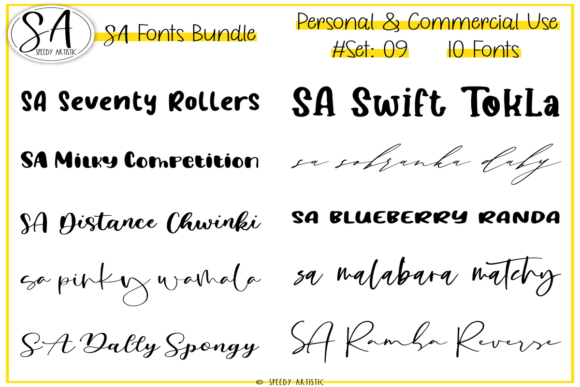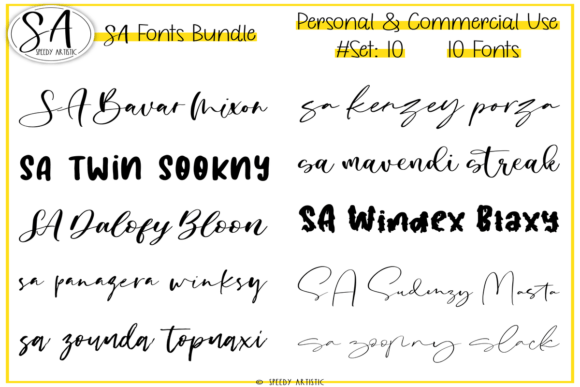
Script and Handwritten Bundle 10 Fonts for Digital Branding
I was redesigning the hero section for a client’s boutique ceramics shop website. The goal was to create a warm, personal touch online, something that felt handmade and welcoming amidst the grid layouts and clean code. I had my usual sans-serif standby loaded, but it wasn’t capturing the studio’s artistic essence. That’s when I opened the Script and Handwritten Bundle 10.
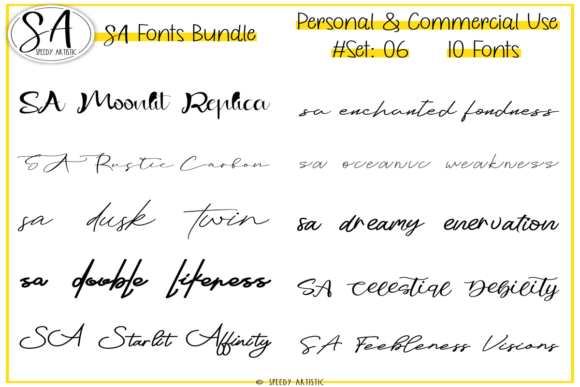
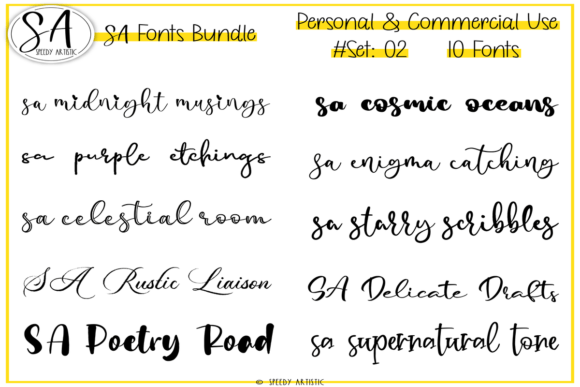
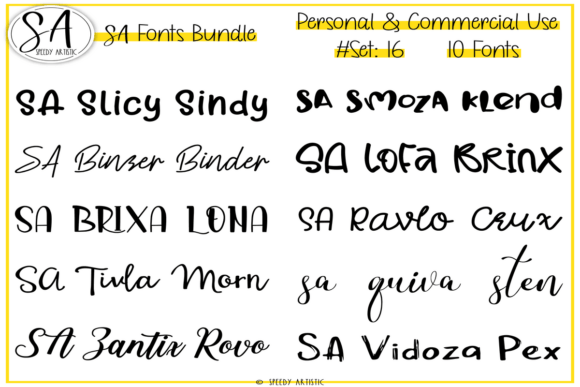
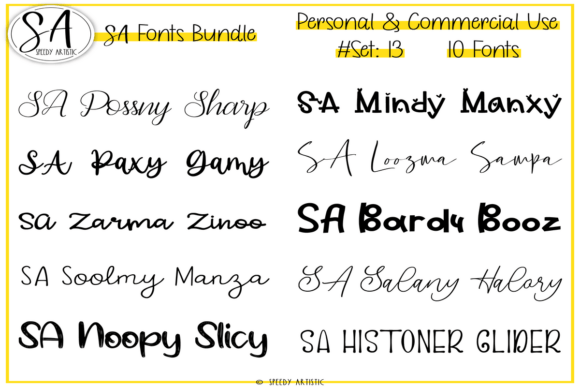
This bundle is a curated collection of ten True-Type fonts that bring authentic, crafted personality directly into digital spaces. It’s not a single rigid script; it’s a palette of handwritten voices. There are fonts with loose, casual loops perfect for a friendly welcome message, and others with more structured, elegant flourishes ideal for a sophisticated brand headline. The overall personality is versatile and human-centric, offering a spectrum from playful to polished. The charm lies in its ability to break the cold uniformity of standard web fonts, injecting a mood of creativity, authenticity, and approachability into pixels.
A Web Designer’s Test: From Wireframe to Live Preview
My testing process was hands-on within a live website project. I replaced the generic hero headline on the ceramics shop homepage with one of the bundle’s mid-weight scripts. Immediately, the static wireframe transformed. The text overlaid on an image of a glazed vase no longer looked like a template; it felt like a personal note from the artist. I previewed it across devices, watching how the handwritten curves rendered on mobile screens and tablet displays.
The bundle excels in specific digital design applications. It’s a powerful tool for website headers and hero sections, where a unique display font establishes immediate brand tone. For landing pages, especially for creative services, coaching websites, or digital product launches, these fonts can make key call-to-action phrases or value proposition titles more memorable. They work wonderfully in blog graphics, as featured title text for posts about creativity or personal journeys. For online shop banners promoting a new collection or seasonal sale, a handwritten font adds a sense of occasion and exclusivity. Even in portfolio sites for designers and makers, using one of these fonts for your own name or tagline can make your digital presence feel uniquely signed.
The Impact on Digital User Experience
In web design, typography is a silent guide for users. Script and Handwritten Bundle 10 affects the experience profoundly. It enhances visual hierarchy by providing a distinct, eye-catching top layer. When paired with a simple body font, it clearly signals what’s most important. This improves scanning behavior; visitors instantly grasp the primary message. For brand trust and professionalism, a well-chosen handwritten font from this bundle suggests care and attention to detail, moving beyond generic corporate aesthetics to build a more relatable, human brand identity. This fosters stronger user engagement, as the design feels crafted for them personally, not mass-produced.
These fonts are best deployed for specific roles within a layout. They are ideal for hero titles and primary section headings. They can be effective on buttons for special actions, like “Get Your Guide” or “Join the Workshop,” making them feel like invitations. They work beautifully as logo text for brands with an artisanal or personal core. They also serve as excellent decorative accents, perhaps for pulling quotes in a blog post or styling dates on an event page. For longer text, however, like body copy, detailed product descriptions, or blog article paragraphs, their decorative nature can hinder readability and slow down information absorption.
Real-World Web Design Applications
Let’s consider concrete examples. For a creative portfolio website, using “Amelia” from the bundle for the designer’s name at the top creates a signature-like effect. For a coaching or wellness website, a softer script like “Bella Hand” on the homepage headline (“Begin Your Journey”) adds a supportive, personal touch. On a product landing page for a digital planner, a font with clear, stylish letters from the bundle could make the main benefit statement (“Design Your Perfect Day”) more appealing. For a blog redesign focused on handmade crafts, using these fonts for category titles or featured post graphics visually ties the content to its theme.
Readability in a digital environment is paramount. When using Script and Handwritten Bundle 10, consider these tips: On mobile screens, ensure the font size is generous enough that the delicate flourishes don’t become blurry or indistinguishable. In responsive layouts, test the headline sizes at all breakpoints. When placing fonts over image backgrounds, maintain strong contrast—a light script on a light image will vanish. For fast-loading content, remember that while TTF fonts are standard, their implementation via CSS should be optimized to prevent performance hits. Always check how they render on both dark and light backgrounds; some scripts with thin strokes may need a slight weight adjustment or color change for optimal clarity.
Where These Fonts Might Not Fit
As a web designer focused on usability, it’s crucial to note where this bundle is less suitable. Avoid using these decorative scripts for long body copy; they are display fonts, not text fonts. They are poor choices for small navigation text or form labels, where clarity and quick recognition are key. For accessibility-heavy interfaces or sites requiring high readability standards, their irregular forms can be challenging for some users. In dense dashboard layouts or data-intensive applications, decorative fonts add unnecessary visual noise and hinder functional scanning.
Crafting a Cohesive Digital Typography System
The power of a display font is amplified by a thoughtful pairing. For web design, Script and Handwritten Bundle 10 needs a strong supporting cast. The most effective and common pairing is with a simple, clean sans-serif font for all body text, UI elements, and secondary information. This creates a beautiful balance: the handwritten font provides personality and emotional pull, while the sans-serif ensures legibility and a clean, modern structure. For a more editorial or classic digital identity, pairing with a serif font for body copy can also work, creating a “handwritten title, published article” feel. Within the bundle itself, you can sometimes combine a more formal script with a casual one for layered headings, but this requires careful spacing and size differentiation to avoid clutter.
Before integrating these fonts into a live website or client project, a few technical and practical checks are essential. While the bundle provides TTF files, confirm their webfont availability or ensure you have the rights and capability to convert and serve them properly via CSS. Check for any included alternates or ligatures that can be accessed through OpenType features to add variety to recurring words like “and” or “the.” Examine the weights; some scripts may have a single weight, which limits boldness options, so plan your hierarchy accordingly. Verify multilingual support if your project requires characters beyond standard English. Most critically, review the commercial font licensing terms. For use on websites, online stores, landing pages, digital templates, and client brand assets, you must have the appropriate license to avoid legal issues. This bundle is designed for creators, but understanding the scope of your license is a fundamental professional step.
Ultimately, Script and Handwritten Bundle 10 is a toolkit for injecting humanity into the digital canvas. It allows web designers and digital brand builders to move beyond sterile, system-font aesthetics and create online experiences that feel signed, personal, and crafted. It’s not about using all ten fonts on one page, but about choosing the right handwritten voice to give your headline, your call-to-action, your brand name, a warmth that resonates directly with the person scrolling on the other side of the screen.