Kumala Script Font: A Web Designer’s Review
I was knee-deep in a client project, redesigning the landing page for a boutique ceramics studio. My main struggle was finding a headline font that felt authentic and artistic, yet still crisp enough to command attention on a digital screen. That’s when I opened Kumala Script for the first time. I dropped “Handcrafted Vessels” into the hero section mockup, and immediately, the design clicked. There was a warmth, a gentle confidence, that none of the other script fonts I’d tried had brought to the layout. This wasn't just a digital asset; it felt like a personality.
The Authentic Imperfections That Build Digital Trust
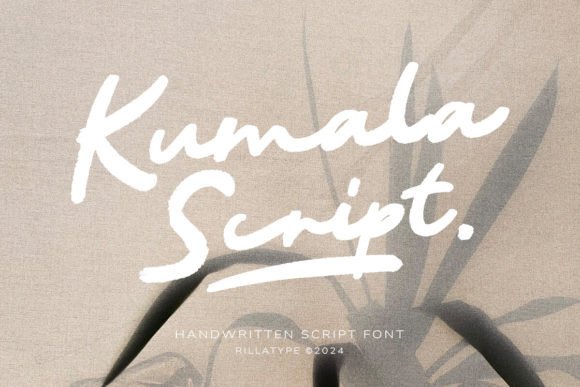
Kumala Script is a premium script font that embraces a distinctly hand-drawn character. Its strokes have a natural, flowing rhythm, with subtle variations in thickness and connection points that avoid the sterile uniformity of many digital handwritten fonts. The overall mood is friendly, creative, and personal—perfect for brands that want to convey craftsmanship, care, or a bespoke service online. It doesn’t shout; it invites.
From a web design perspective, this personality translates directly into brand trust and emotional appeal. When I used Kumala Script for the hero text on that ceramics site, the font communicated the handmade ethos before the user even read the supporting copy. For coaching websites, creative portfolios, or small online shops, this kind of instant, subconscious branding is invaluable. It sets a tone of quality and human connection, elevating the perceived value of the products or services offered.
Practical Use Cases in Web Layouts
I’ve tested Kumala Script across several real-world scenarios now, and its strengths are clear. It excels as a display font for key moments in a user’s journey.
- Hero Headlines & Section Titles: On landing pages or homepage banners, Kumala Script draws the eye and establishes mood. It works beautifully over full-width image backgrounds, provided there’s adequate contrast.
- Call-to-Action Accents: While not suitable for small button text, using Kumala Script for the main phrase within a larger CTA graphic (e.g., “Start Your Journey”) adds a memorable, personal touch.
- Logo & Brand Lockups: For many creative businesses, Kumala Script could serve as the primary logo typeface or a decorative element within a logo mark. Its unique charm aids in brand recognition.
- Decorative Web Graphics: In blog post headers, promotional banners for digital products, or email campaign graphics, the font adds a layer of editorial flair.
A recent test was for a course sales page aimed at artists. Using Kumala Script for the main course title and module names created a cohesive, inspiring aesthetic that resonated with the target audience. It framed the content as something crafted, not just assembled.
Readability and Technical Considerations for Websites
Like any specialty font, successful implementation depends on mindful application. Kumala Script is ideal for short phrases, names, and titles. Its decorative nature means it is not suitable for:
- Long body copy or blog post paragraphs.
- Navigation menu items or small footer links.
- Form labels or any interface text requiring maximum accessibility and quick scanning.
- Dense, data-heavy layouts like dashboards or admin panels.
For mobile responsiveness, it’s crucial to test sizing. While it holds up well on modern screens, I recommend using it at a slightly larger scale on mobile views to ensure its detailed strokes remain clear and legible. Also, pay close attention to color contrast when placing it over busy or textured background images.
Pairing Kumala Script with Supporting Typography
A strong digital layout relies on hierarchy, and pairing Kumala Script with a clean, neutral supporting font is essential. I found it worked seamlessly with a simple sans serif font for all body copy, captions, and UI elements. This pairing creates a clear visual distinction: the script font provides personality and focal points, while the sans serif ensures effortless readability for the main content. For a more editorial feel, a classic serif font can also be a complementary partner. This approach maintains brand consistency across headers, paragraphs, and functional text.
Licensing and File Formats for Digital Projects
Before integrating any font into a client website or your own online store, checking the license details is a non-negotiable step. Most premium font licenses, including those for Kumala Script, cover standard web use via webfont embedding. Confirm that the license permits use on live websites and in digital templates you might sell. Also, verify the available file formats. For web design, you’ll need the WOFF or WOFF2 formats for optimal performance and fast loading. Many font packages now include these specifically. If you’re designing graphics for social media or digital ads, having the standard OTF/TTF files is also necessary for your design software.
Exploring the font’s features—like alternates, ligatures, or swashes—can add extra versatility. Using an alternate character for a repeated letter in a headline, for instance, can make the design feel even more custom and less automated. These details matter when crafting a premium digital brand identity.
Ultimately, Kumala Script is a powerful tool for web designers aiming to inject authentic, crafted personality into digital spaces. It bridges the gap between handmade charm and modern online presentation. When used strategically—for headlines, accents, and key branding moments—it transforms a functional layout into an engaging, trustworthy, and visually cohesive experience. It reminds the user that behind the screen, there’s a person, a story, and a craft. That’s a valuable impression for any website to make.