Rahmalia Script: A Trendy Typeface for Handmade Creations
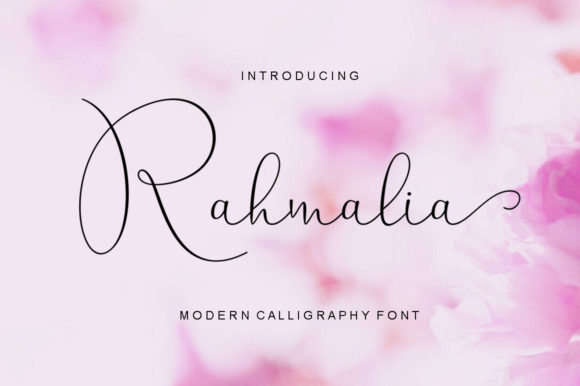
When I’m searching for a new typeface for my product line, I always look for something that balances personality with practicality. Rahmalia Script landed in my design toolkit a few months ago, and it has quietly become one of those fonts I reach for when I need a piece to feel polished, warm, and unmistakably handmade. It’s a modern script calligraphy font built around an irregular baseline, which gives it a rhythmic, organic quality that feels less like a digital asset and more like actual pen work.
A Typeface That Feels Like Real Hand Lettering
The first thing I noticed about Rahmalia Script was the movement. Many script fonts sit stiffly on a rigid baseline, but this one has a gentle bounce, a natural ebb and flow that mimics the way a real brush pen or nib moves across paper. The strokes are delicate without feeling fragile, and the letterforms have a contemporary elegance that works for everything from upscale wedding details to casual product labels. There’s a trendy undercurrent here, but it avoids being overly fussy or hard to read, which matters when you’re designing for actual customers who need to scan a label quickly.
For crafters and printable product creators, this typeface brings a sense of refinement that can be hard to achieve without hiring a calligrapher. The thin upstrokes and slightly thicker downstrokes create contrast that pops beautifully on both screen and print. Whether I’m mocking up a sticker sheet, designing a wall art printable, or laying out a set of boutique hang tags, Rahmalia Script carries a soft sophistication that catches the eye without shouting.
Practical Craft Applications for Handmade Sellers
I primarily use this font for physical products and digital downloads, and it performs consistently well across a range of materials and substrates. Here are some of the projects where Rahmalia Script really shines:
- Product labels and packaging: Candle jars, soap boxes, honey jars, and bath salt pouches all benefit from a script that feels artisanal. The irregular baseline adds a handcrafted quality that aligns perfectly with small-batch goods.
- Stickers and decals: I’ve cut this font on adhesive vinyl and printable sticker paper, and the delicate letter connections hold up well at moderate sizes. For kiss-cut sticker sheets featuring name decals or short motivational phrases, it’s a beautiful choice.
- Invitations and greeting cards: Birthday party invites, bridal shower cards, and save-the-date designs gain an immediate sense of occasion. The script works wonderfully for the main event details, names, and date headers.
- Printable wall art: Quote prints, nursery name signs, and kitchen art pieces feel more intentional when a flowing script anchors the design. I often set a single word or short phrase in Rahmalia as the focal point.
- Wedding stationery: Welcome signs, table numbers, place cards, envelope addressing, and seating charts all take on a romantic, personal feel. It pairs beautifully with soft florals, vellum overlays, and blush-tone color palettes.
- Apparel and merchandise: For tote bags, crewneck designs, baby onesies, and canvas pouches, this font adds a wearable elegance. The bounce in the baseline softens bold statements and makes minimalist text-based designs feel more approachable.
- Planner pages and journal covers: Weekly spreads, habit trackers, and digital planner covers get a dose of personality with script headers and decorative titles.
Building Brand Consistency with One Distinctive Script
For handmade shop owners, visual consistency across products and packaging is everything. When a customer receives a candle wrapped in tissue paper with a matching tag, a product box with a cohesive label, and a thank-you card that echoes the same typography, their perception of quality shifts. Rahmalia Script helps me maintain that thread throughout an entire product experience. Using the same typeface on hang tags, shop signage, logo elements, product descriptions, and social media graphics creates instant brand recognition without much extra effort.
There’s also an emotional component at play. Script typography tends to feel more personal, more intimate. It signals care and attention, which translates into higher perceived value. I've noticed that listings featuring product mockups with thoughtful script fonts tend to attract more engagement than those relying solely on blocky sans serif treatments. The font you choose becomes part of the story you tell your customer.
Readability and Real-World Production Tips
Like any script font, Rahmalia Script works best at display sizes and for short-form text. I use it primarily for titles, names, headings, product names, short taglines, and decorative accents. For body copy or ingredient lists, I step away from scripts entirely and lean into a clean sans serif or a simple serif font for optimal readability.
On cutting machines such as Cricut or Silhouette, delicate scripts can sometimes present challenges with thin strokes or tight connections. I recommend welding the text together before cutting and scaling up to a comfortable size, typically no smaller than about half an inch for intricate loops. Always run a test cut on scrap material first. The irregular baseline, while beautiful, can occasionally cause alignment tweaks if you need perfectly straight text on a rotary cutter, so spend a little extra time adjusting letter spacing and positioning in your design software before sending to cut.
For printed products like cards and labels, this typeface holds its detail well on matte and lightly textured stocks. On glossy papers or metallic foils, the contrast between thicks and thins becomes even more pronounced, which can look stunning for premium product applications. When preparing mockup previews for online listings, I scale the font slightly larger than I think I’ll need, it photographs more clearly and helps customers see the craftsmanship in your digital presentation.
Smart Font Pairing Choices for Balanced Designs
A script font rarely works in isolation. Pairing Rahmalia Script with a complementary typeface creates hierarchy, improves readability, and gives you more design flexibility. My go-to combination is pairing this expressive script font with a clean, neutral sans serif font. Think along the lines of a lightweight geometric sans for ingredient lists, website navigation, or shop policies, while letting the script carry all the decorative weight on the main display text. This creates a modern, balanced look that works for everything from product packaging to social media graphics.
For projects that demand more formality, I’ll sometimes pair it with a delicate serif font. The combination of a flowing handwritten style and structured serif letterforms adds depth to wedding suites, luxury invitation sets, and high-end product tags. The key is letting one typeface lead while the other plays a supporting role. A bold display font can also work well for contrast, especially on apparel designs where you want the script portion to feel soft alongside a strong, impactful statement word.
When building a brand identity around a signature font like this, I keep my pairing choices limited to one or two supporting typefaces across all materials. Consistency across your product photography, shop banner, thank-you inserts, and packaging mailers helps cement your shop aesthetic in the customer's mind.
Discovering the Delicate Details Inside the Font File
One advantage of Rahmalia Script that I appreciate as a product designer is the potential range of built-in character options. Modern script fonts often include alternates, ligatures, and swashes that allow you to customize the lettering for specific projects. A set of alternate characters means you can swap out a lowercase letter for a version with an extended flourish, a different terminal stroke, or a more decorative loop. This gives you the power to avoid repeated letter shapes looking identical, which is especially helpful for words with double letters or for making a featured name look uniquely hand-lettered.
Ligatures connect specific letter pairs more gracefully, smoothing out awkward transitions that can occur in everyday script text. Swashes, if included, add those elegant entry and exit strokes that make a single word print feel like custom calligraphy. If the typeface includes multilingual support, that opens up opportunities for international customers and product lines in Spanish, French, German, and beyond. I always check what’s included because those additional characters mean I can serve a broader customer base with my printables and templates.
File formats matter too. A standard OTF or TTF file works in most design programs, but knowing that a font comes with web font formats can also be useful if you plan to incorporate it into a brand website or digital shop front. The versatility of a creative font like this goes beyond just cutting it on vinyl, it becomes part of your design ecosystem from product photography to Etsy shop branding.
Understanding Commercial Licensing for Product Sellers
This topic is close to my heart because I’ve seen too many small business owners overlook font licensing until it becomes a problem. When you purchase a font like Rahmalia Script, you’re typically buying a license that defines how you can use it. For craft sellers, printable creators, and handmade shop owners, the key thing is confirming that commercial font usage is covered. Most standard licenses allow you to create physical products you sell, things like shirts, mugs, stickers, candles, totes, and printed signs. If you plan to sell digital files that include the font, such as editable templates, SVG designs, alphabet sets, or logo packs, you’ll want to check the terms closely. Some licenses require an extended or special digital-use allowance for products where the customer receives the font outlines as part of the downloadable file.
For printable product creators who design and sell invitation suites, wall art, planner pages, or card templates, a commercial license is essential. The same goes for anyone creating merchandise, client work, or brand identity packages. I always keep a folder with my license files and purchase receipts, it’s a good habit that protects your business and gives you peace of mind when your font choices go out into the world on products sold to real people.
A premium font with clear, hobbyist-friendly licensing removes the anxiety from scaling your small shop. You can focus on what you do best, designing beautiful products that customers love, knowing your typography foundation is solid and legally sound.
Adding a Handcrafted Touch to Every Season and Occasion
Seasonal craft designs are a huge part of many handmade businesses, and Rahmalia Script adapts beautifully across the calendar. For holiday product packaging, I’ve used it on cookie box labels, ornament tags, and gift bag inserts. The delicate style evokes a cozy, handcrafted feeling that works for Christmas markets, Valentine’s Day bath sets, and Mother’s Day brunch invitations alike. Autumn craft fairs and farmhouse-style signs benefit from the organic baseline that feels slightly rustic yet still refined. Spring product launches, like garden seed packets or floral-scented candle labels, feel fresh and alive with a light script handling the product name.
Even everyday items like thank-you cards, small business stickers, care instruction tags, and logo watermarks get a boost from using a font that feels intentional. I've found that when I treat typography as a core design element rather than an afterthought, my products simply look more expensive and more desirable, and my customers notice the difference.
Rahmalia Script isn't just another pretty typeface to scroll past. It's a practical, production-friendly asset that supports the kind of small-batch, lovingly made products that crafters and handmade sellers build their reputations on. Whether you’re designing the next seasonal launch, refining your shop’s visual identity, or just looking for that perfect script to elevate your label game, this font belongs on your shortlist.